

Long-Term Effects of Alcohol on the Stomach: What to Know
The long-term effects of alcohol on the stomach can include ongoing irritation of the stomach lining, gastritis, pain and nausea. Heavy drinking may also worsen existing ulcers. It can affect the small intestine, where most nutrients are absorbed, increasing the risk of poor nutrition. Research on alcohol and the digestive tract shows that its effects extend beyond the stomach.
Key takeaways
- Stomach symptoms may improve when alcohol use changes, but persistent pain needs medical assessment.
- Alcohol is not the only possible cause of gastritis or ulcers.
- If you may be physically dependent on alcohol, seek medical advice before stopping suddenly. Withdrawal severity varies.
This is general information, not individual medical advice. The guide explains what alcohol can do to digestion over time and how to seek recovery support.
Long term effects of alcohol on the stomach word guide:
- Long term effects of alcohol on the small intestine
- Long term effects of alcohol on the kidneys
- Long term effects of alcohol on the immune system
The Long-Term Effects of Alcohol on the Stomach Lining and Digestion
When alcohol enters the digestive tract, the stomach is one of the very first organs exposed to its direct chemical effects. Unlike most foods that require complex breakdown before uptake, a portion of ingested alcohol diffuses directly through the gastric mucosa into the bloodstream. Over periods of prolonged, heavy consumption, this constant contact alters the structural integrity of the gastric environment and disrupts normal digestive physiology. According to national data on alcohol consumption from the AIHW, alcohol-related digestive and systemic harms represent a substantial proportion of alcohol-related hospitalisations across Australia.

The stomach protects itself from its own digestive fluids through a thick barrier of mucous and bicarbonate secretions. Ethanol acts as a solvent that can erode this protective layer, exposing delicate epithelial cells directly to gastric acid and digestive enzymes like pepsin. Scientific research on alcohol’s role in gastrointestinal disorders indicates that chronic exposure triggers the release of pro-inflammatory cytokines, impairs microvascular circulation, and alters normal gastric motility. Lower alcohol concentrations (such as those in beer and wine) can stimulate excess gastric acid secretion, whereas higher-proof beverages may delay gastric emptying and cause direct cellular toxicity. While these mechanisms are well documented, individual outcomes vary significantly based on nutritional status, overall health, and genetic factors.
Chronic Gastritis and Long-Term Effects of Alcohol on the Stomach Mucosa
Repeated irritation of the gastric mucosa often progresses from superficial inflammation to chronic gastritis. In its early stages, superficial gastritis involves redness and swelling of the surface epithelium. Without changes in drinking patterns or medical intervention, this persistent inflammation can contribute to atrophic gastritis, a condition where normal gastric glands are gradually lost or replaced by fibrous tissue.
People experiencing alcohol-related gastritis frequently report symptoms such as persistent burning discomfort in the upper abdomen, early fullness, nausea, and indigestion. Authoritative guidance on alcohol and stomach pain notes that persistent mucosal damage can heighten the risk of developing gastric polyps and, in severe chronic cases, may increase susceptibility to cellular dysplasia and gastric cancer. However, alcohol-induced inflammation is only one contributing factor among complex clinical risks, and early management supports mucosal repair.
Peptic Ulcers, Bleeding Risks, and Gastrointestinal Disease Progression
When mucosal defences are worn down, stomach acid can penetrate deep into the tissue layers, forming open sores known as peptic ulcers. While bacterial infections like Helicobacter pylori are the primary cause of many ulcers, chronic heavy drinking significantly impedes the healing process and exacerbates tissue damage.
The risk of severe gastric injury escalates when alcohol use is combined with non-steroidal anti-inflammatory drugs (NSAIDs) such as ibuprofen or aspirin. Both substances weaken mucosal prostaglandins, which are vital for maintaining the stomach’s protective barrier. Similarly, concurrent cigarette smoking compounds microvascular constriction and delays tissue regeneration.
Chronic irritation can also lead to acute upper gastrointestinal bleeding, such as Mallory-Weiss tears (mucosal lacerations at the junction of the oesophagus and stomach often triggered by forceful retching). Furthermore, stomach damage interacts directly with the gut-liver axis; when the gastric and intestinal barriers are compromised, bacteria and inflammatory endotoxins translocate into the portal bloodstream, placing additional stress on the liver. The following table highlights key differences between acute gastric inflammation and chronic ulcer disease:
| Feature | Acute Gastritis | Peptic Ulcer Disease |
|---|---|---|
| Depth of Tissue Injury | Superficial mucosal inflammation and erosion | Deep mucosal break extending through muscularis mucosae |
| Common Symptoms | Sudden burning, nausea, temporary indigestion | Gnawing epigastric pain, bloating, night-time discomfort |
| Primary Complications | Transient bleeding, nausea, appetite reduction | Severe gastrointestinal bleeding, perforation, obstruction |
| Compounding Risk Factors | Binge drinking episodes, acute stress | Chronic alcohol use, regular NSAID use, H. pylori infection |
| Typical Clinical Course | Often settles within days of removing irritants | Requires targeted medical therapy and weeks to heal |
Understanding how chronic alcohol use damages the small intestine helps illustrate how upper digestive harm extends downstream to affect overall nutrient uptake.
Malnutrition and Impaired Nutrient Absorption
The stomach initiates protein digestion through acid activation of pepsin and produces intrinsic factor, a glycoprotein necessary for vitamin B12 absorption. Chronic gastric inflammation impairs these essential secretions, initiating a cascade of malabsorption.
Clinical evaluations demonstrate that prolonged heavy alcohol consumption leads to marked reductions in nutrient processing, including a 45% decrease in carbohydrate absorption, a 40% decrease in lipid absorption, and an 81% reduction in protein uptake within the upper digestive tract. Furthermore, malabsorption of xylose (a sugar used to measure mucosal absorption efficiency) is observed in 18% to 76% of individuals with chronic alcohol dependence.
These digestive disruptions frequently result in severe micronutrient deficiencies, notably:
- Thiamine (Vitamin B1): Impaired absorption and reduced liver storage can impact neurological function and metabolic health.
- Vitamin B12 and Folate: Decreased intrinsic factor and mucosal transport contribute to macrocytic anaemia and chronic fatigue.
- Fat-Soluble Vitamins (A, D, E, K): Impaired lipid breakdown limits uptake of vital fat-soluble nutrients.
- Essential Minerals: Reduced absorption of iron, zinc, magnesium, and calcium compromises bone density, wound healing, and immune resilience.
These systemic deficiencies link closely with the broader long-term health risks of drinking alcohol, as well as the impact of chronic alcohol use on kidneys and cardiovascular systems.
Gut Recovery and Evidence-Informed Pathways to Healing
The gastrointestinal tract possesses a remarkable capacity for cellular regeneration. The epithelial cells lining the stomach turnover rapidly, typically renewing every few days under healthy physiological conditions. When alcohol exposure ceases, the stomach can begin to repair its protective mucous barrier, normalise acid production, and rebuild cellular junctions.
Supporting Stomach Recovery Through Rest and Nutrition
Achieving mucosal recovery involves removing primary chemical irritants and supplying the body with essential nutritional building blocks. Research into gut physiology shows that abstaining from alcohol allows the gastric mucosa to reduce inflammatory cytokine activity and restore microvascular blood flow.
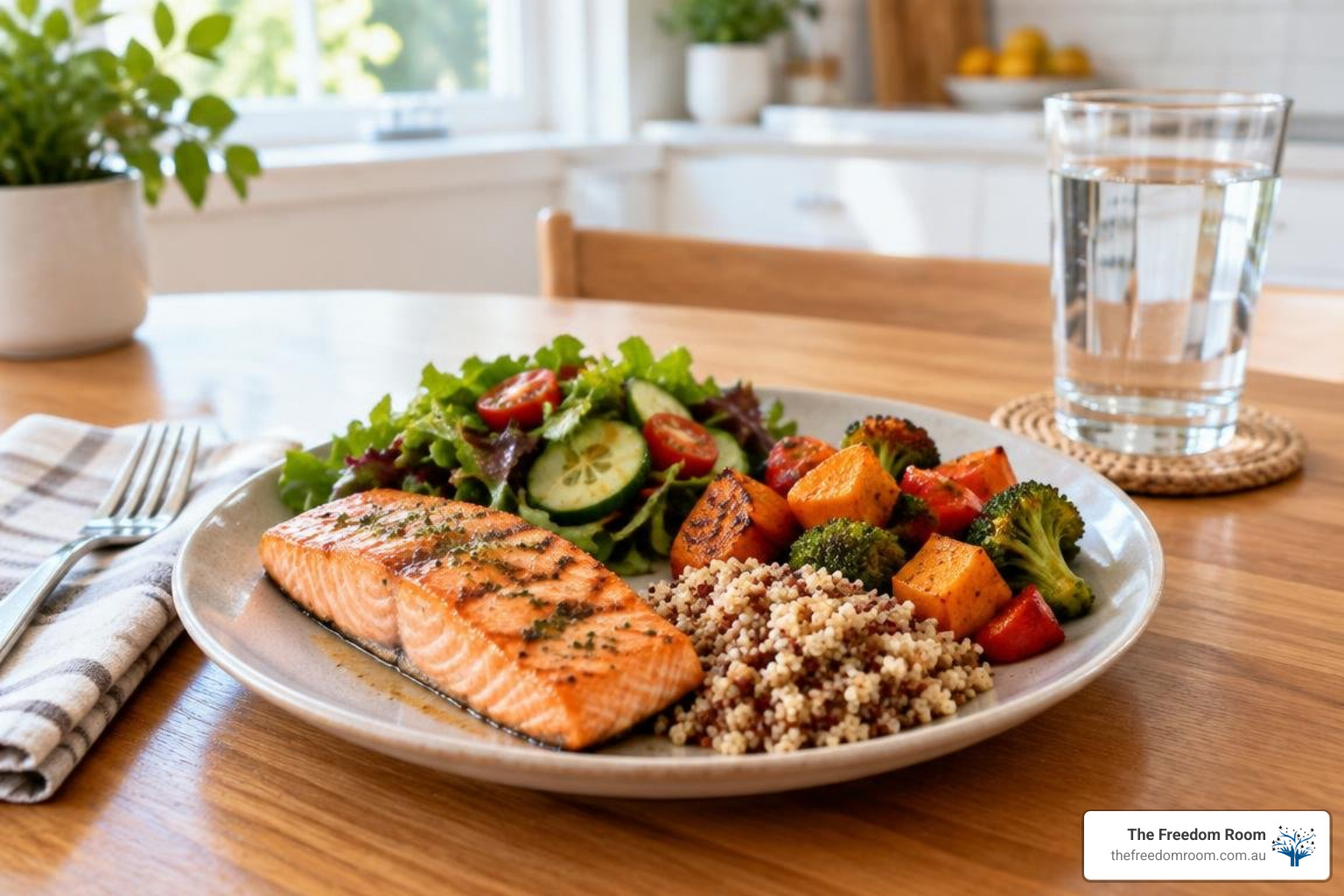
Evidence-informed nutritional and lifestyle habits that support gut healing include:
- Prioritising easily digestible whole foods: Emphasise lean poultry, fish, eggs, well-cooked vegetables, oats, and rice to minimise mechanical irritation of the stomach lining.
- Nourishing the microbiome: Consume dietary sources of soluble fibre and prebiotic compounds that allow beneficial gut bacteria to produce short-chain fatty acids (SCFAs), which support epithelial integrity.
- Staying consistently hydrated: Sip water throughout the day to support mucosal hydration without overwhelming gastric volume during meals.
- Limiting common mucosal irritants: Avoid excessive caffeine, highly acidic foods, spicy meals, and unbuffered NSAIDs while the stomach lining is healing.
- Replenishing micronutrient stores: Work with a health professional to identify and address deficiencies in thiamine, folate, zinc, and vitamin B12.
These supportive dietary adjustments contribute directly to how alcohol impacts total body wellness, aiding broader physical and cognitive vitality.
Medical Guidance, Physical Dependence, and Ongoing Support
While lifestyle changes play an important role in long-term health, physical recovery must be approached safely. If a person has developed physical alcohol dependence, stopping drinking suddenly can trigger acute alcohol withdrawal.
Withdrawal severity varies significantly between individuals, ranging from mild tremors, sweating, and nausea to severe, potentially life-threatening complications such as seizures and delirium tremens. For this reason, individuals who may be physically dependent on alcohol should not stop drinking abruptly without qualified medical supervision. A doctor or healthcare provider can evaluate individual health needs, assess liver and gastrointestinal function, and recommend a safe, structured medical detoxification plan where clinically appropriate.
At The Freedom Room, we understand that addressing problematic drinking involves both physical safety and compassionate, ongoing guidance. Our team brings lived experience in recovery, offering an empathetic environment where you are supported without judgment. We provide comprehensive, evidence-informed alcohol use disorder treatment designed to meet your specific life circumstances. Whether you benefit from individualised addiction counselling at our supportive centre or prefer the flexibility of our structured online recovery program, practical and sustainable support is available.
Start Your Journey to Lifelong Recovery Today
Navigating the long-term effects of alcohol on the stomach can feel daunting, but the human body has a profound capacity to heal when given the right care, nutrition, and professional guidance. Recovery is a personal process that unfolds over time, and taking the first step toward lasting wellbeing begins with having the right support network by your side.
If you are experiencing ongoing digestive symptoms, we encourage you to consult a healthcare practitioner for a comprehensive medical evaluation. To explore compassionate, peer-led care tailored to your goals, learn more about Our Services, explore our dedicated alcohol use disorder treatment options, or reach out directly to Contact Us at our Carseldine centre located at 9a/521 Beams Rd, Carseldine QLD 4034. Together, we can help you build a healthier, alcohol-free future.
Frequently Asked Questions
Can alcohol cause long-term stomach problems?
Yes. Prolonged and heavy alcohol use can cause chronic inflammation of the stomach lining (chronic gastritis), increase the severity of peptic ulcers, and impair the stomach’s ability to absorb vital nutrients like vitamin B12 and thiamine. Over time, chronic tissue irritation may also increase the risk of more serious digestive complications.
How long can the stomach take to recover after reducing or stopping alcohol?
The timeline for stomach recovery varies widely depending on the extent of tissue inflammation, overall nutritional health, and individual medical factors. Mild superficial gastritis may begin to improve within several days to a few weeks after alcohol use stops, whereas deeper ulcerations or chronic atrophic gastritis may require several months of medical treatment, proper nutrition, and ongoing care to heal.
Should I stop drinking suddenly if I have stomach symptoms?
If you suspect you may have a physical alcohol dependence, you should not stop drinking suddenly without professional medical guidance. Alcohol withdrawal can be unpredictable and dangerous. While eliminating alcohol is essential for gut healing, stopping safely requires an individualised medical assessment to manage withdrawal symptoms safely and effectively.