

What Is a Personal Wellness Journey (And Why It Matters)
A personal wellness journey represents an ongoing, active process directed toward enhancing physical health, mental clarity, emotional balance, and overall quality of life. This process is highly individualised, requiring structured strategies tailored to personal circumstances and progressed at a sustainable pace.
The foundational components of this journey include:
- Comprehensive self-assessment: Evaluating current physical health, mental wellbeing, emotional states, sleep quality, and systemic stress levels.
- Formulating objective goals: Establishing specific, realistic, and measurable objectives aligned with individual life circumstances.
- Developing daily systems: Implementing structured habits and routines that remain functional even when personal motivation is low.
- Adopting a holistic approach: Addressing the interconnected nature of the nervous system, emotional health, nutrition, physical movement, and restorative rest.
- Monitoring and adjustment: Tracking progress systematically, recognising that recovery and health optimisation are rarely linear.
- Practising self-compassion: Viewing setbacks as valuable data points rather than indicators of personal failure.
Wellness is distinct from the mere absence of illness. According to the World Health Organisation, wellness is an active pursuit, defined by a daily series of choices that directly influence how an individual feels, functions, and engages with the world.
The global wellness industry has expanded to an estimated value of two trillion dollars, with significant growth observed in functional nutrition, mental wellbeing, and healthy ageing. This expansion reflects a growing societal recognition that physical health cannot be separated from mental and emotional states. True wellbeing encompasses cognitive function, emotional resilience, supportive relationships, and a clear sense of purpose.
However, standard wellness narratives often omit the reality that this journey is rarely straightforward. Real progress frequently involves complex, non-linear phases. For example, an individual may achieve physical milestones in strength training while simultaneously navigating emotional exhaustion. Similarly, physiological healing may involve temporary weight fluctuations or periods of fatigue before systemic energy levels stabilise. The quiet, consistent choices made without external validation are often the most critical factors in long-term success.
This guide provides a comprehensive, evidence-informed framework for establishing a sustainable personal wellness journey, managing physiological transitions, and maintaining progress when visible results are delayed.
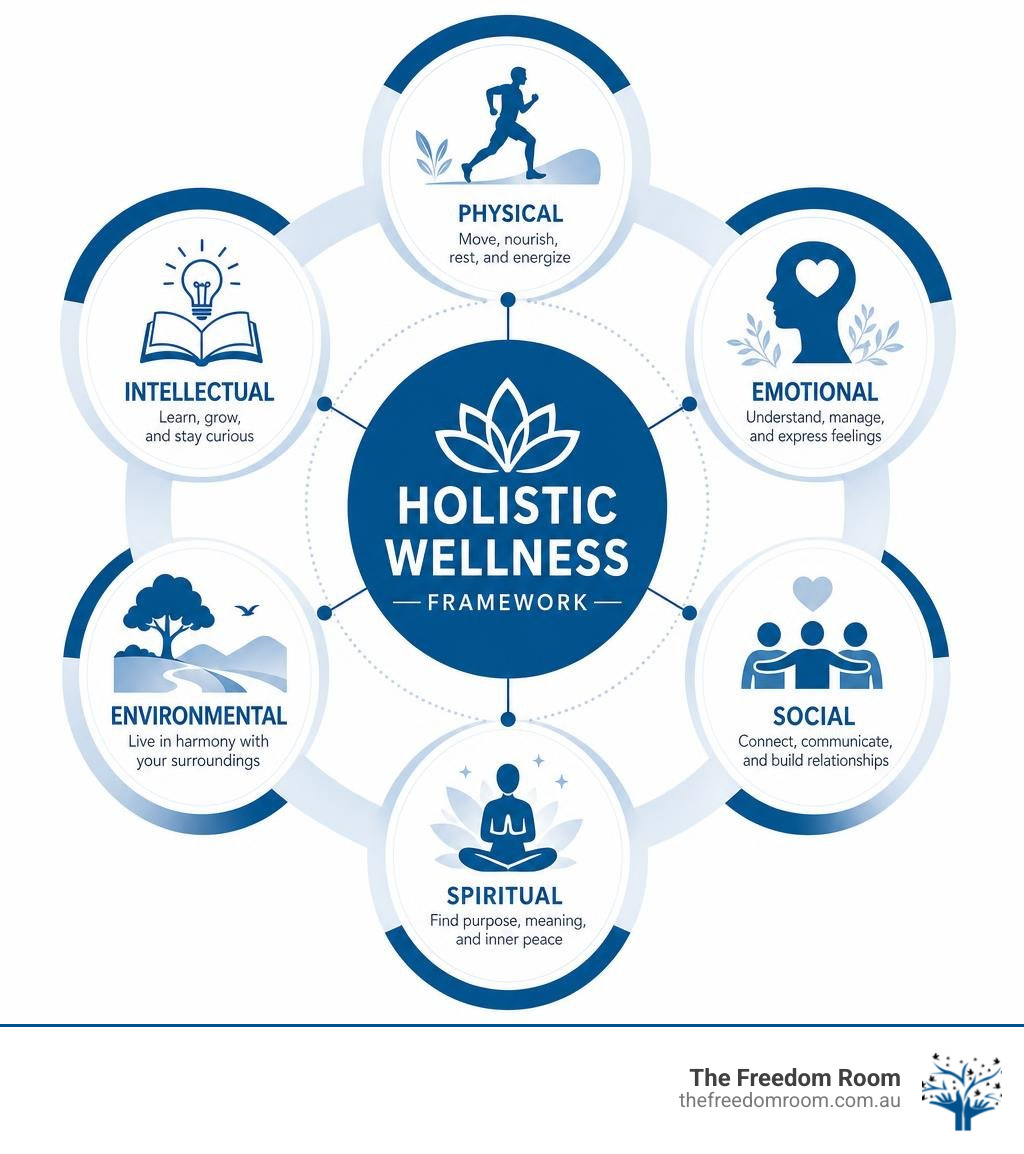
Personal wellness journey terms to remember:
Navigating Your Personal Wellness Journey: Systems Over Motivation

When initiating a lifestyle transformation, individuals frequently rely on temporary bursts of motivation. This approach often involves purchasing new athletic equipment, removing processed foods from the home, and committing to rigorous daily schedules. However, relying solely on motivation is highly fragile. Motivation is a transient emotional state rather than a reliable strategy. During periods of high stress or physical exhaustion, motivation rapidly dissipates, leaving individuals vulnerable to established, comfortable habits.
To establish a sustainable personal wellness journey, motivation must be replaced with reliable systems. A system is a structured set of daily habits designed to make desired behaviours the default option. By establishing clear rules and environmental cues, individuals can eliminate decision fatigue, ensuring that healthy choices do not depend on daily willpower.
An essential step in systems building is separating behavioural goals from outcome goals. An outcome goal represents a specific destination, such as losing ten kilograms or reaching a particular fitness milestone. While outcome goals provide direction, they can also cause frustration when progress is slow. Conversely, behavioural goals focus entirely on variables within immediate control. Examples include walking for thirty minutes daily, consuming two litres of water, or dedicating ten minutes to quiet reflection.
Understanding the Non-Linear Path of a Personal Wellness Journey

The mainstream narrative of self-improvement suggests that effort leads directly to visible, steady progress. In reality, the path of healing is highly non-linear and often complex. Individuals may adhere to health protocols perfectly yet experience unexpected weight fluctuations, skin breakouts, or temporary drops in energy levels.
This phenomenon occurs because the human body prioritises internal healing before displaying external results. During the initial phases of a wellness lifestyle, physiological resources are directed toward repairing cellular damage, regulating endocrine function, and supporting vital organs. This internal restructuring requires significant metabolic energy, which can temporarily manifest as fatigue or physical changes that feel like steps backward.
Understanding What Progress Actually Looks Like When It’s Not Pretty helps normalise these challenging phases. True progress is often invisible to the eye. It is found in the quiet choices made when no one is watching, such as choosing rest over exhaustion, or continuing routines despite not seeing immediate changes. For deeper insights into managing this complex process, explore our guide on Personal Growth in Recovery.
Shifting from Guessing to Testing in Your Personal Wellness Journey
Many individuals adopt generic wellness trends without understanding their specific biological needs. This speculative approach is costly and can be counterproductive. Over-supplementation is a common issue; without objective data, individuals may consume high doses of vitamins that strain renal and hepatic function.
To build an effective, personalised plan, individuals must shift from guessing to testing. Obtaining comprehensive bloodwork and genetic testing provides a clear baseline of unique biology. This data allows individuals to identify specific nutrient deficiencies, understand metabolic responses to different foods, and choose targeted supplements that support cellular health.
Reading about How I Started Paying Attention to My Health highlights how clinical testing can simplify a wellness routine. Rather than taking numerous unnecessary supplements, individuals can focus on the exact nutrients their bodies require. It is essential to consult a qualified general practitioner to interpret results and design a safe, science-backed approach. Further details on optimising daily health protocols can be found in this overview of What’s working for my health.
The Role of Nervous System Regulation and Emotional Health
Lasting physical transformation requires addressing emotional health and nervous system regulation. The human body physically stores emotional stress, and operating in a chronic state of fight-or-flight causes the body to perceive stress as a continuous emergency.
When the nervous system is dysregulated, it releases elevated levels of cortisol. This hormone signals the body to retain fat reserves, increases systemic inflammation, and disrupts digestive function. Consequently, many individuals find that despite maintaining a balanced diet and exercising intensely, progress remains stalled. The body will not release physical protection until it experiences emotional safety.
Nervous system regulation must be a primary focus of any wellness strategy. Practises such as deep diaphragmatic breathing, somatic exercises, and spending quiet time in nature help shift the body from a sympathetic state into a parasympathetic state of rest and repair. Addressing emotional challenges and chronic stress allows the body to function optimally, facilitating physical healing. To understand the connection between emotional states and physical health, read our resource on Emotional Wellness. For immediate strategies to calm the stress response, consider implementing the techniques outlined in How to Manage Stress Fast with Proven Techniques.
Establishing Daily Non-Negotiables for Sustainable Progress
A successful wellness plan is built on a small set of daily, non-negotiable habits. These foundational pillars maintain physical and mental baselines, regardless of external stressors. While advanced therapies have their place, they cannot replace basic human physiology.
The following daily non-negotiables are highly recommended:
- Sacred Sleep Hygiene: Prioritise seven to nine hours of quality sleep each night by keeping the bedroom cool, dark, and free from electronic screens.
- Adequate Protein Intake: Consistently include high-quality protein in meals to support muscle recovery, neurotransmitter production, and stable blood glucose levels.
- Daily Movement: Engage in consistent physical activity, such as walking, strength training, or gentle stretching, to support joint health and mental clarity.
- Morning Sunlight: Obtain ten to fifteen minutes of direct outdoor light exposure early in the day to regulate circadian rhythms and improve sleep quality.
- Consistent Hydration: Drink adequate amounts of clean water throughout the day to support cellular function and digestion.
Focusing on these core habits creates a strong foundation. A personal account of how streamlining these basics creates lasting change is available in My Body Transformation. For a structured approach to building these habits, refer to our Self-Care Practices Complete Guide.
Balancing Discipline with Self-Compassion During Setbacks
Discipline must always be balanced with self-compassion. Many individuals abandon their wellness journeys entirely after a single setback due to all-or-nothing thinking, believing that missing a workout or making an unhelpful dietary choice represents complete failure.
To break this cycle, cognitive behavioural tools such as the ABC model can be utilised. This model demonstrates that emotional reactions and subsequent actions are not caused directly by external events, but by beliefs about those events. For example, the event is missing a scheduled workout. An unhelpful belief is that one lacks willpower and should abandon the effort. A compassionate, rational belief is that the body requires rest, and the routine can be resumed the following day.
Developing helpful coping statements allows individuals to navigate setbacks without shame. Treating oneself with kindness during challenges reduces stress and facilitates a return to healthy habits. To explore how self-compassion forms the foundation of long-term healing, read about The Art of Self-Love: Building a Strong Foundation for Recovery.
Ready for Change? Let’s Build a Stronger, Alcohol-Free Future Together
The Freedom Room Wellness and Recovery recognises that a personal wellness journey can present significant challenges, particularly when individuals are navigating a physical alcohol dependence. Comprehensive recovery extends beyond ceasing unhelpful behaviours; it involves constructing a fulfilling, purposeful life.
Operating within the wellness and recovery sector, the organisation provides a compassionate, evidence-informed approach. The team possesses lived experience with recovery, ensuring authentic support, professional empathy, and a non-judgemental environment. The service offers cost-effective, personalised sessions, workshops, and therapeutic interventions tailored to individual requirements.
For individuals located in Strathpine, Queensland, or the surrounding Brisbane regions, professional support is available to assist in establishing a sustainable, healthy lifestyle. The practice is located at 9a/521 Beams Rd, Carseldine QLD 4034.
To learn more about these supportive pathways, individuals are encouraged to explore Our Services or initiate contact via the Contact Us page. Additional information regarding the benefits of this lifestyle transition is available in the article on how to Unlock Your Best Self: The Perks of Living Alcohol-Free.
Embracing a Life of Joy, Purpose, and Connection
A fulfilling wellness journey must include space for joy, recreation, and genuine human connection. If a health routine is perceived as a rigid, never-ending list of chores, it will eventually become unsustainable. It is essential to practise what is termed the discipline of joy, which involves actively scheduling and protecting time for activities that facilitate a state of flow.
Flow states occur when an individual is fully immersed in an activity, such as dancing, gardening, painting, or playing a sport. These experiences quiet the analytical mind, reduce stress, and promote deep emotional healing. When joy and connection are prioritised, mental health improves, which naturally supports physical well-being.
According to data compiled by the Australian Institute of Health and Welfare, building strong social support networks and engaging in purposeful community activities are key protective factors that support long-term recovery and mental wellness. Surrounding oneself with individuals who share similar values and support healthy habits facilitates the journey.
By treating joy as a measurable, daily practice rather than an afterthought, individuals transition from survival to optimal wellbeing. An inspiring reflection on this concept is available in 100 Days of Healing. For practical steps on how to cultivate positive emotions and gratitude in daily life, refer to the guide to Increase Your Happiness.
Frequently Asked Questions
What is a personal wellness journey?
A personal wellness journey is a continuous, deliberate process directed toward improving physical health, mental clarity, emotional stability, and overall quality of life through structured habits and professional support.
How does physical dependence on alcohol affect a wellness journey?
A physical dependence on alcohol significantly impacts physiological and psychological systems, requiring specialised, evidence-based support to safely manage withdrawal and establish a foundation for long-term health and recovery.
Why are daily systems more effective than motivation?
Motivation is a transient emotional state that fluctuates based on external circumstances. In contrast, structured daily systems establish consistent habits and environmental cues, reducing decision fatigue and ensuring progress even during periods of low energy.
What services are available at The Freedom Room?
The Freedom Room Wellness and Recovery offers personalised therapeutic sessions, structured workshops, and comprehensive recovery support tailored to individuals seeking to overcome physical dependence on alcohol and improve their overall wellbeing.