

Recognising Physical Dependence on Alcohol
Physical dependence on alcohol can develop when the body adapts to regular alcohol exposure. A person may notice changes in how they feel when they have not had alcohol, including feeling shaky, unsettled or unwell. These changes can be important to notice, but they do not diagnose alcohol dependence on their own.
Recognising possible signs early can help someone make informed choices about support. If physical dependence may be present, it is important to seek appropriate medical guidance before significantly reducing or stopping alcohol, as withdrawal severity varies considerably between people.
As Rachel Acres, Founder and CEO of The Freedom Room, I know recovery support should reflect each person’s circumstances. Compassionate guidance can help people understand their options without judgement. Resources: Alcohol addiction treatment costs, how long before physical dependence on alcohol and physical dependence on alcohol.
Key Takeaways
- Physical dependence can develop as the body adapts to regular alcohol exposure.
- Feeling different or unwell without alcohol may be a warning sign worth discussing with a qualified professional.
- Alcohol withdrawal symptoms can occur after reducing or stopping alcohol, but severity varies from person to person.
- Possible physical dependence is not a reason to suddenly stop drinking without appropriate medical advice.
- Early support can help a person understand what is happening and consider their next steps.
What Does Physical Dependence on Alcohol Mean?
Physical dependence on alcohol means the body has adapted to alcohol being present. When alcohol levels fall, a person may experience physical or emotional discomfort as the nervous system adjusts. This is different from simply enjoying alcohol or wanting a drink. See alcohol consumption patterns and related harms.
Physical dependence can occur alongside problematic alcohol use, but it is not identical to alcohol use disorder (AUD). AUD is a clinical diagnosis that considers a broader pattern of alcohol use and its impact on health, relationships and daily life. It can be helpful to understand alcohol use disorder when considering the distinction.
A person cannot reliably self-diagnose from one symptom or one drinking pattern. Changes in tolerance, withdrawal symptoms or difficulty cutting back may be worth discussing with a GP or another qualified health professional, who can consider the full picture.
Early Warning Signs Your Body May Be Becoming Dependent on Alcohol
Signs of physical dependence on alcohol vary between people. No single symptom confirms dependence, but changes in how someone feels, drinks or responds when alcohol is unavailable may be worth discussing with a qualified professional.

You Need Alcohol to Feel Normal
Some people begin to notice they feel uncomfortable, anxious, irritable or unlike themselves when they have not had alcohol for a period of time. Feeling better after drinking may be a sign the body has adapted to alcohol, particularly when this pattern becomes regular. It does not prove physical dependence by itself, but it is a meaningful change to notice.
You Experience Symptoms When You Reduce or Stop Drinking
Alcohol withdrawal can occur when a person who has developed physical dependence significantly reduces or stops drinking. Possible symptoms include shaking, sweating, nausea, anxiety, restlessness, difficulty sleeping, headaches or a faster heart rate. Symptoms and severity differ widely, so a general list cannot predict what any one person will experience.
Severe symptoms need urgent medical care. A general alcohol withdrawal timeline guide cannot predict an individual’s experience. See clinical guidance on alcohol withdrawal. Seek urgent medical advice for seizures, hallucinations, confusion, severe shaking or serious physical symptoms.
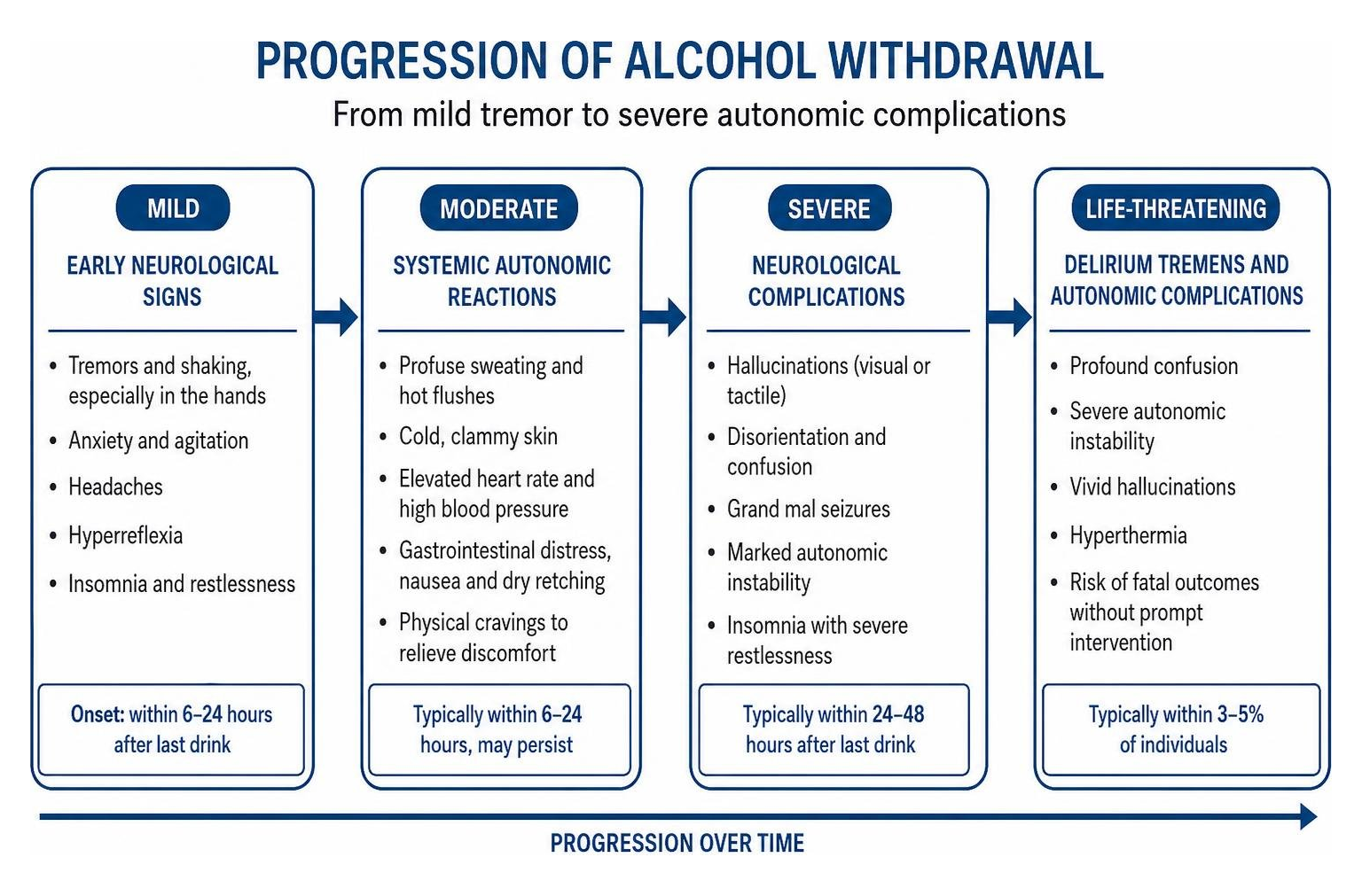
You Drink to Prevent or Relieve Uncomfortable Symptoms
Drinking specifically to prevent or relieve physical discomfort can be an important warning sign. This is different from choosing to drink socially or enjoying the effects of alcohol. A person may notice they are drinking earlier in the day, planning around access to alcohol or feeling concerned about how they will cope without it.
Your Tolerance Has Changed
Tolerance means needing more alcohol to experience effects that previously occurred with less. It can indicate the body has adapted to regular alcohol exposure, but increased tolerance alone is not proof of physical dependence. Looking at tolerance alongside other changes, such as withdrawal symptoms or trouble cutting back, provides more useful context.
Cutting Back Is Harder Than Expected
Someone may find that reducing their usual alcohol intake feels more difficult than expected, especially if uncomfortable symptoms emerge. This can be associated with physical dependence, problematic alcohol use or other health and wellbeing concerns. The broader effects alcohol can have on your health and wellbeing can also make it harder to feel confident about the next step.
These signs are prompts to seek appropriate support. A GP, alcohol and other drug service, or qualified recovery professional can help a person understand their options. See signs of alcohol addiction and alcohol dependence for further reading.
What to Do If You Recognise These Signs
Recognising possible physical dependence is an opportunity to focus on safety and support. The right next step depends on a person’s drinking pattern, health, previous withdrawal experiences and individual circumstances.
Don’t Suddenly Stop Without Appropriate Advice
Alcohol withdrawal can sometimes be medically serious, and its severity varies considerably between individuals. A general withdrawal timeline cannot predict one person’s experience. If physical dependence on alcohol may be present, seek medical guidance before significantly reducing or stopping alcohol. This information is general education, not an individual detox plan.
Start With the Right Kind of Support
Support may include medical guidance, counselling and coping strategies. For people who are medically stable and looking for ongoing support, alcohol recovery coaching and addiction counselling can support recovery goals.
The Freedom Room does not provide medical detoxification or clinical withdrawal treatment. Alcohol detox remedies at home and alcohol dependence medication are not substitutes for medical advice. Seek assessment from an appropriate health professional or accredited clinical service.
Explore Different Recovery Support Options
Recovery does not need to look the same for everyone. Some people benefit from individual sessions, while others value workshops, peer connection or a combination of supports. Tailored recovery support services can help a person build practical routines, understand triggers and identify the type of support that feels sustainable.
Structured Support Can Help You Take the Next Step
A structured programme may be useful when someone wants regular guidance and a clear framework for change. The Freedom Room’s structured recovery support is one option for people who want to work on recovery in a supported setting after appropriate medical advice has been considered.
You Don’t Need to Wait for Things to Get Worse
You do not need to wait for a crisis. Recognising possible alcohol dependence can be a starting point for seeking appropriate guidance and support.
Take the First Step Toward a Fulfilling, Alcohol-Free Life

Recognising possible physical dependence on alcohol can be an important first step, but symptoms alone cannot diagnose alcohol dependence. If there is concern about dependence, appropriate medical guidance is important before stopping or significantly reducing alcohol.
The Freedom Room offers compassionate, tailored support for people considering recovery. You can speak with an alcohol recovery coach or counsellor about your goals, or explore recovery support services that may suit your circumstances.
To start a conversation, contact The Freedom Room team or visit 9a/521 Beams Rd, Carseldine QLD 4034. Support can be shaped around your needs, at a pace that feels manageable.
Frequently Asked Questions
What are the early signs of physical dependence on alcohol?
Possible early signs include feeling unwell or unsettled without alcohol, drinking to relieve discomfort, increasing tolerance or finding it harder to reduce drinking than expected. These signs do not confirm dependence on their own.
Can you be physically dependent on alcohol without drinking every day?
Physical dependence is linked to how the body has adapted to alcohol, not simply whether a person drinks every day. A qualified professional can help assess an individual’s circumstances.
What happens if you stop drinking when you are physically dependent?
A person may experience alcohol withdrawal symptoms, which can range in severity. Because individual risk varies, anyone concerned about physical dependence should seek medical advice before significantly reducing or stopping alcohol.
Is alcohol tolerance the same as physical dependence?
No. Tolerance means needing more alcohol for the same effects, while physical dependence involves the body’s response when alcohol levels fall. Tolerance can occur without confirming physical dependence.
Should I stop drinking suddenly if I think I am physically dependent?
Do not make that decision without appropriate medical guidance. Sudden changes can be risky for some people, and a health professional can advise on the safest next step.
When should I seek professional help for alcohol dependence?
Seek support if alcohol is affecting your wellbeing, relationships or daily life, or if you notice withdrawal symptoms, increased tolerance or difficulty cutting back. Early guidance can help you understand your options.