
Understanding Alcohol Withdrawal and Neurochemistry
The coming off alcohol timeline is one of the most important concepts to understand before stopping heavy or long-term drinking, because withdrawal can range from uncomfortable to genuinely life-threatening.
The primary stages of withdrawal generally progress as follows:
- Early withdrawal (6 to 12 hours): Tremors, anxiety, nausea, sweating, and elevated heart rate.
- Intensification (12 to 24 hours): Worsening physical symptoms and risk of alcoholic hallucinosis.
- Peak risk window (24 to 48 hours): Increased risk of generalised tonic-clonic seizures and severe autonomic instability.
- Delirium Tremens risk (48 to 72 hours): Severe confusion, hallucinations, and dangerous blood pressure swings.
- Acute resolution (Days 4 to 7): Physical symptoms begin to ease and stabilise.
- Post-acute phase (Months 1 to 12): Brain fog, mood swings, sleep disruption, and temporary craving spikes.
- Long-term brain recovery (6 to 24 months): Cognitive function, memory, and emotional regulation continue to improve.
About 50% of people with physical dependence on alcohol will experience withdrawal symptoms when they stop or significantly reduce their intake. Yet many people attempt to stop drinking without understanding what is actually happening inside their body and brain, or when they need urgent medical help.
Alcohol is a central nervous system depressant. Over time, the brain adapts by ramping up its stimulating systems to compensate. When alcohol is suddenly removed, those systems fire unchecked. That neurochemical rebound is what drives withdrawal, which is why the process can become dangerous so quickly.
This guide walks through the full timeline, from the first hours after your last drink through to long-term recovery, so you can make informed, safe decisions.
Must-know coming off alcohol timeline terms:
- Alcohol withdrawal duration of symptoms
- Alcohol withdrawal timeline
- Can alcohol withdrawal symptoms last for months
To comprehend why the coming off alcohol timeline unfolds as it does, we must examine the underlying neurobiology of chronic drinking. Alcohol acts primarily on two key neurotransmitter systems in the brain: gamma-aminobutyric acid (GABA) and glutamate. GABA is the principal inhibitory neurotransmitter responsible for dampening nerve activity, promoting relaxation, and slowing down central nervous system responses. Glutamate, conversely, is the primary excitatory neurotransmitter that accelerates brain activity and maintains cognitive alertness.
When an individual consumes alcohol heavily over extended periods, the central nervous system undergoes structural and functional adaptations. The brain compensates for the chronic sedative presence of alcohol by downregulating GABA receptor sensitivity and upregulating glutamate production. This state of forced physiological equilibrium allows heavy drinkers to function, but it creates a fragile balance. According to the Australian Institute of Health and Welfare alcohol data, alcohol remains one of the most commonly consumed substances in Australia, with thousands of individuals developing physical dependence each year.
Heavy drinking is medically defined as consuming 15 or more standard drinks per week for men, or 8 or more standard drinks per week for women. When an individual meeting these thresholds suddenly ceases alcohol intake, the sedative brake is removed while the hyperactive glutamate system remains fully engaged. This produces central nervous system hyper-excitability, leading to the rapid manifestation of physical and psychological withdrawal symptoms. Gaining clarity on your alcohol withdrawal timeline is essential for staying safe throughout this physiological transition.
Early Symptoms and the First 24 Hours of the Coming Off Alcohol Timeline
The initial phase of alcohol withdrawal typically commences within 6 to 12 hours after the final drink. Even while residual alcohol remains in the bloodstream, falling blood alcohol concentration levels can trigger early autonomic arousal. During these initial hours, the brain experiences an immediate surge in neural excitation due to uninhibited glutamate activity.
Mild to moderate physical and psychological symptoms mark this first stage. Individuals often experience fine hand tremors, heightened internal anxiety, persistent restlessness, profuse sweating, gastrointestinal upset, and marked insomnia. Heart rate and blood pressure gradually elevate as the sympathetic nervous system shifts into overdrive.
Early signs of withdrawal that require careful observation include:
- Visual tremors in the hands and upper limbs, often described as morning shakes.
- Sudden surges of panic, acute anxiety, and intense bodily restlessness.
- Excessive perspiration, particularly cold sweats during sleep or rest.
- Nausea, loss of appetite, dry retching, or abdominal discomfort.
- Significant difficulty falling asleep or staying asleep.
- Elevated resting heart rate and mild hyperthermia.
Between 12 and 24 hours post-cessation, symptoms frequently intensify. A subset of individuals may develop alcoholic hallucinosis, a condition characterised by transient visual, auditory, or tactile perceptions. Unlike delirium tremens, people experiencing alcoholic hallucinosis usually retain awareness that these perceptions are not real. However, these symptoms serve as a clinical warning that the nervous system is under severe distress. Guidance provided by the Cleveland Clinic alcohol withdrawal guidance stresses that early clinical evaluation during this initial 24-hour window is vital to evaluate risks and prevent progression toward complicated withdrawal.
Peak Withdrawal Risk and Medical Emergency Signs (24 to 72 Hours)
The window between 24 and 72 hours after the last drink represents the most dangerous phase of the coming off alcohol timeline. During this period, central nervous system hyper-excitability reaches its maximum intensity. Between 24 and 48 hours post-cessation, the risk of alcohol withdrawal seizures peaks. These are typically generalised tonic-clonic (grand mal) seizures that occur suddenly without warning. Repeated or untreated withdrawal seizures substantially increase the likelihood of developing life-threatening complications later in the detox process.
Between 48 and 72 hours after stopping alcohol, the risk for Delirium Tremens (DTs) reaches its high point. Delirium Tremens occurs in approximately 3% to 5% of individuals undergoing alcohol withdrawal and represents a severe medical emergency. DTs are characterised by profound confusion, acute disorientation, severe autonomic instability, extreme hypertension, fever, hyperadrenergic crises, and terrifying hallucinations. Without immediate medical treatment, DTs carry a mortality rate of up to 10% due to cardiovascular collapse, respiratory failure, or hyperthermia.
Understanding how long does alcohol detoxification take helps individuals and families recognise critical danger signals. Immediate emergency intervention (calling Triple Zero ‘000’ in Australia) is required if any of the following warning signs appear:
- Grand mal seizures or loss of consciousness.
- Severe confusion, disorientation regarding time or place, or sudden memory loss.
- Hallucinations of any kind (seeing, hearing, or feeling things that are not present).
- High fever accompanied by profuse sweating and violent shivering.
- Rapid, irregular heartbeats or sudden chest tightness.
- Uncontrollable vomiting leading to inability to retain fluids.
Coming Off Alcohol Timeline: From Initial Detox to Sustained Healing
The journey through the coming off alcohol timeline varies significantly from person to person. Multiple factors dictate symptom severity, including the duration and volume of past drinking, overall physical health, co-occurring mental health conditions, and personal genetic markers. One key mechanism that exacerbates withdrawal severity is the kindling effect. Kindling refers to the neurological phenomenon where repeated cycles of alcohol intoxication followed by withdrawal cause progressively worse and more dangerous withdrawal episodes in the future.
Medical professionals classify alcohol withdrawal into three main categories:
- Mild Withdrawal: Involves light tremors, mild anxiety, insomnia, headache, and minor heart rate elevations. Symptoms usually resolve within 3 to 5 days without high-risk complications.
- Moderate Withdrawal: Features pronounced hand tremors, moderate anxiety, persistent nausea, elevated blood pressure, sweating, and severe sleep disturbance. Close clinical monitoring or outpatient pharmacological support is strongly recommended.
- Severe Withdrawal: Involves extreme tremors, severe panic, disorientation, potential seizures, and high risk of Delirium Tremens. Inpatient hospital admission and continuous intensive monitoring are mandatory.
To manage moderate to severe withdrawal safely, clinical detox protocols utilise evidence-based medications. Benzodiazepines, such as diazepam, serve as the gold standard treatment to suppress central nervous system hyper-excitability, calm panic, and prevent seizures or DTs. Short-term non-benzodiazepine medications like gabapentin or carbamazepine may be prescribed for mild withdrawal. Additionally, aggressive nutritional support is critical. High-dose thiamine (vitamin B1) supplementation is administered intravenously or orally to prevent Wernicke-Korsakoff syndrome, a devastating neurological impairment caused by alcohol-related thiamine deficiency.
A comprehensive breakdown in the Complete Guide to Alcohol Withdrawal Symptom Duration underscores that medical supervision mitigates physical risks effectively. Further clinical perspectives available at Better Without Booze withdrawal timeline highlight the value of combined medical and therapeutic approaches.
Acute Detoxification and Symptom Resolution (Days 4 to 14)
By Days 4 to 7 of the coming off alcohol timeline, most acute physical symptoms begin to stabilise for uncomplicated cases. As autonomic nervous system activity gradually normalises, elevated blood pressure and heart rate settle back toward baseline levels. Gastrointestinal distress subsides, allowing appetite to return and enabling proper nutrient absorption.
During Days 7 to 14, acute physical detoxification draws to a close. While physical tremors and sweats diminish, internal systems remain fragile. Sleep architecture recalibration begins during this fortnight; REM sleep patterns fluctuate, often causing vivid dreams, restless nights, or initial fatigue. Deciding between home detox and inpatient admission depends heavily on individual risk criteria.
Inpatient admission is essential for individuals with a history of withdrawal seizures, prior Delirium Tremens, significant medical comorbidities, or severe living environments. Outpatient detox may be suitable for low-risk individuals with mild dependence, provided they have 24-hour support from a trusted person and close oversight by a general practitioner or specialised addiction service.
Post-Acute Withdrawal Syndrome (PAWS) in the Coming Off Alcohol Timeline
Once the acute physical detox phase concludes, many individuals assume the recovery process is complete. However, the neurobiological recovery timeline extends far beyond the first fortnight. Post-Acute Withdrawal Syndrome (PAWS) refers to a cluster of persistent emotional, cognitive, and psychological symptoms that emerge as the nervous system slowly recalibrates over 1 to 12 months.
PAWS symptoms occur in temporary waves, alternating between periods of clarity and emotional distress. Common manifestations include brain fog, difficulty concentrating, mood swings, sudden anxiety surges, persistent insomnia, low energy, and sudden craving spikes triggered by stress or environmental cues.
These symptoms stem from long-term neurological adaptations. Chronic alcohol use depletes dopamine receptors and disrupts the hypothalamic-pituitary-adrenal (HPA) axis, which regulates stress responses. As the brain heals through neuroplasticity, it gradually repairs dopamine pathways and restores natural stress tolerance.
Managing PAWS effectively requires proactive psychological coping strategies:
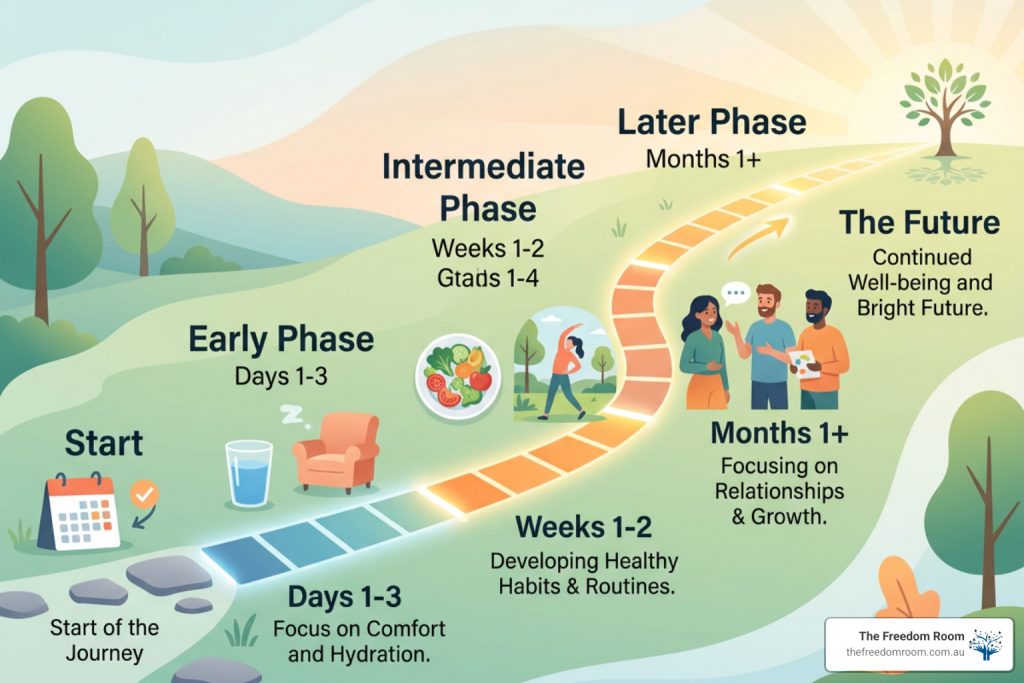
- Establishing consistent daily routines for sleep, meal times, and physical activity.
- Utilising mindfulness, breathwork, and emotional regulation techniques during craving spikes.
- Engaging in structured evidence-based therapies, such as Cognitive Behavioural Therapy (CBT) or Emotional Freedom Techniques (EFT).
- Maintaining active connections with peer support groups or personal addiction counsellors.
Long-Term Brain Recovery and Month-by-Month Milestones
The journey of brain recovery after stopping alcohol provides tremendous encouragement. Neuroimaging research shows that the human brain possesses remarkable neuroplasticity, enabling both structural and functional healing over time.
- Month 1: Physical health markers improve rapidly. Liver enzymes begin to normalise, high blood pressure decreases, skin clarity returns, and deeper REM sleep resumes. In a UK Dry January study, 70% of participants reported improved sleep quality and 57% noted better concentration within 30 days without alcohol.
- Months 2 to 3: Emotional equilibrium stabilises as PAWS intensity begins to drop. Energy levels rebound, mental clarity improves, and daily stress management becomes easier.
- Months 6 to 12: Cognitive research demonstrates that substantial improvements occur across most brain functions between 6 and 12 months of abstinence. Attention span, executive functioning, spatial perception, and working memory show measurable structural recovery.
- 1 Year Milestone: Reaching 12 months of sustained abstinence represents a monumental milestone. Statistics show that maintaining recovery for one full year increases the likelihood of long-term, lifelong sobriety to approximately 50%.
- 5 Year Milestone: Beyond the first year, relapse risk continues to drop dramatically. After 5 years of sustained recovery, the probability of lifelong sobriety rises to roughly 85%.
Lifestyle factors play a powerful role in accelerating neuroplasticity. Engaging in regular aerobic exercise stimulates brain-derived neurotrophic factor (BDNF), a protein that promotes neural growth and repair. Consuming a nutrient-dense diet rich in omega-3 fatty acids, antioxidants, and B-complex vitamins supplies the biological building blocks required for neurotransmitter synthesis. Furthermore, building healthy, non-judgemental social connections releases oxytocin and stabilises dopamine pathways, reinforcing psychological resilience.
Take the First Step Toward a Fulfilling, Alcohol-Free Life
Navigating the coming off alcohol timeline safely requires knowledgeable, compassionate support tailored to your unique circumstances. At The Freedom Room Wellness and Recovery, we understand the challenges of breaking free from alcohol because our team is in recovery themselves. We bring lived experience, deep empathy, and genuine understanding to every step of your journey.
We provide personalised, cost-effective support designed to guide you through physical, psychological, and lifestyle transformations. Whether you need structured one-on-one sessions, practical recovery workshops, or evidence-based therapies like EFT and CBT, we are here to support you without judgment.
If you or a loved one are struggling with physical dependence on alcohol, do not navigate this path alone. Take a moment to explore Our Services to see how our tailored programs can help you build lasting freedom. When you are ready to make a change, Contact Us directly or visit our welcoming centre at 9a/521 Beams Rd, Carseldine QLD 4034. Together, we can build a strong, fulfilling, alcohol-free future.
Frequently Asked Questions
How long does the acute phase of coming off alcohol last?
For most individuals, the acute physical withdrawal phase lasts between 5 and 7 days. Symptoms typically peak between 24 and 72 hours before gradually subsiding. However, psychological and cognitive recalibration can continue for several months during post-acute withdrawal.
Is it safe to stop drinking alcohol suddenly at home?
Abruptly stopping alcohol without medical assessment can be extremely dangerous for individuals with severe physical dependence. Due to risks such as seizures and Delirium Tremens, a professional medical evaluation by a general practitioner or addiction specialist is essential before attempting detoxification.
What is Post-Acute Withdrawal Syndrome (PAWS)?
Post-Acute Withdrawal Syndrome refers to lingering psychological and neurological symptoms, such as mood fluctuations, sleep disruption, anxiety, and brain fog, that occur as the central nervous system slowly heals over 1 to 12 months following acute detox.