

Why Alcohol Risk Minimisation Techniques Matter More Than You Think
Alcohol risk minimisation techniques are practical, evidence-based strategies designed to reduce the harms associated with alcohol consumption without necessarily requiring complete abstinence. These strategies form a core component of modern public health frameworks, offering a pragmatic pathway for individuals to improve their well-being.
Here is a concise overview of the most effective approaches:
- Set clear limits: Follow the NHMRC guideline of no more than 10 standard drinks per week and no more than 4 on any single day.
- Pace yourself: Drink no faster than one standard drink per hour, alternating with water.
- Eat before and during drinking: Food slows alcohol absorption and reduces peak blood alcohol concentration.
- Track your drinks: Use standard drink measurements to stay within your limits.
- Plan ahead: Arrange transport, set a budget, and decide your limit before you start drinking.
- Use drink-free days: Scheduling alcohol-free days each week reduces overall consumption significantly.
- Seek medical support: Medications like naltrexone and therapies like motivational interviewing can provide structured, clinical support.
- Know when to escalate: If limits cannot be held consistently, professional assessment is essential.
Every 10 seconds, someone around the world dies from an alcohol-related cause. In Australia, alcohol is linked to more chronic diseases and deaths than any illicit drug, and it remains the most widely used psychoactive substance across the nation.
The Australian National Drug Strategy is built upon three pillars: demand reduction, supply reduction, and harm reduction. Alcohol risk minimisation aligns directly with the harm reduction pillar. This framework acknowledges that while complete abstinence is the safest option, reducing consumption still yields substantial health benefits.
Most individuals who are concerned about their drinking patterns are not looking to quit entirely. Instead, they seek to establish control, reduce specific health risks, and improve their overall quality of life. By adopting structured moderation strategies, individuals can protect their cardiovascular health, lower their risk of liver disease, and improve cognitive function. These techniques empower people to make informed decisions while maintaining their social connections and personal autonomy.
Even minor reductions in weekly alcohol intake can produce immediate improvements in sleep quality, immune function, and daily mood. By focusing on manageable, incremental changes, individuals can build long-term habits that support physical and mental longevity.
Evidence-Based Alcohol Risk Minimisation Techniques for Safer Drinking
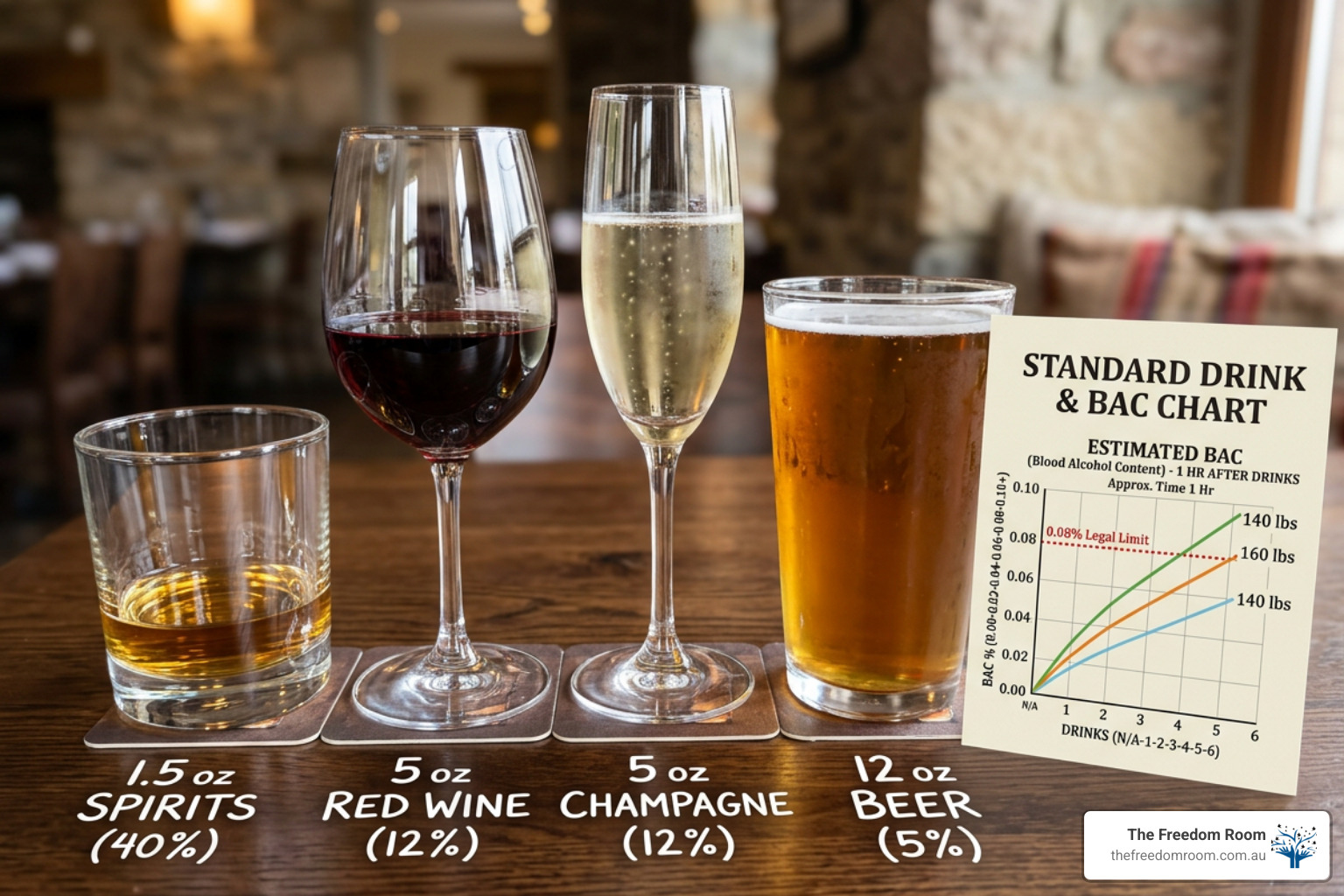
Implementing alcohol risk minimisation techniques requires a clear understanding of how alcohol affects the human body. In Australia, a standard drink contains exactly 10 grams of pure alcohol. This is often significantly less than the typical pours served in commercial venues. For instance, an average restaurant serving of wine or a pint of full-strength beer frequently contains much more than one standard drink, making self-monitoring crucial.
The human liver metabolises alcohol at a fixed rate of approximately one standard drink per hour. This biological process relies on specific enzymes and cannot be accelerated by common myths such as drinking black coffee, taking cold showers, or exercising. Only time can lower your blood alcohol concentration. To manage your consumption safely, you can utilise structured resources such as the Alcohol Harm Reduction: How to Drink More Safely (SubstanceWiki) and explore practical Alcohol Risk Minimisation Strategies to protect your physical health.
Understanding Alcohol Harm Reduction vs Abstinence
The primary distinction between harm reduction and abstinence-based programs lies in their immediate objectives. While abstinence demands complete cessation, harm reduction focuses on decreasing the negative consequences of drinking for those who are not ready or able to stop entirely. This pragmatic framework recognises that any reduction in consumption is a positive step toward better health outcomes.
In clinical settings, this approach often involves structured behavioural agreements between individuals and their support teams. These agreements define specific, measurable limits on consumption rather than relying on vague intentions to drink less. To explore the clinical evidence supporting this shift in modern treatment, you can read about Harm Reduction as an Alcohol-Prevention Strategy (PMC, NIH) and discover how we structure Alcohol Harm Minimisation plans to suit individual lifestyles.
Who is a Candidate for Alcohol Risk Minimisation Techniques?
This approach is highly suitable for individuals experiencing mild to moderate forms of alcohol use disorder who do not show signs of physical dependence on alcohol. It is also an excellent option for people who have previously rejected traditional abstinence-only programs but still want to make positive changes. According to the Australian Institute of Health and Welfare data, a large percentage of Australians drink at levels that put them at risk, making accessible moderation strategies vital.
However, moderation is not safe for everyone. Individuals with severe physical dependence on alcohol, a history of dangerous withdrawal symptoms, or active medical conditions made worse by alcohol should pursue complete abstinence. You can read more about determining your suitability by exploring our guide on Alcohol Risk Reduction Strategies.
Practical Alcohol Risk Minimisation Techniques for Daily Life

Managing your daily intake starts with planning your social calendar and setting clear boundaries before you take your first drink. Alternating alcoholic beverages with water or non-alcoholic alternatives helps slow down your consumption rate and keeps you hydrated. For comprehensive safety recommendations, you can consult the Tips for safe and responsible drinking (Healthdirect) resource.
Recent research highlights how young adults adapt these strategies to modern social environments. You can examine these patterns in the study on Alcohol protective behavioural strategies for young adults: A content analysis across drinking contexts and gender (PMC). Many people find that incorporating Mocktails and Alcohol-Free Beverages into their routines makes Socialising Without Alcohol a seamless and enjoyable experience.
Medical and Psychosocial Support for Reducing Consumption
For those who need extra assistance, clinical interventions can significantly increase the likelihood of success. Medications such as naltrexone work by blocking the pleasurable, reinforcing effects of alcohol in the brain, helping to reduce heavy drinking days. When combined with professional guidance, pharmacotherapy becomes a powerful tool for achieving long-term moderation goals.
Psychosocial therapies are equally crucial for addressing the underlying drivers of heavy drinking. Cognitive Behavioural Therapy helps individuals identify high-risk situations, while motivational interviewing resolves ambivalence about changing drinking habits. For a detailed clinical overview of these therapies, you can refer to Alcohol use disorder: Psychosocial management (UpToDate). Learning to navigate urges is also essential, and you can find practical advice on Coping with Alcohol Cravings alongside proven Craving Management Techniques.
Assessing Safety and Knowing When to Transition to Abstinence
It is important to regularly evaluate whether your moderation plan is keeping you safe and healthy. If you find yourself consistently exceeding your predetermined limits over an eight to twelve-week period, your strategy may need to be revised. The emergence of physical withdrawal symptoms, such as hand tremors or severe anxiety when sober, is a clear sign that moderation is no longer a safe option.
For communities and individuals seeking evidence-based policy frameworks, you can review the guide on Preventing Excessive Alcohol Use with Proven Strategies (CDC). Understanding your personal vulnerability is key to long-term success. We recommend learning about the primary Triggers for Alcohol Use and How to Beat Them and discovering How to Stay Sober Using These Relapse Prevention Skills if you decide that abstinence is the safest path forward.
Start Your Journey to Lifelong Recovery Today
At The Freedom Room Wellness and Recovery, we understand that changing your relationship with alcohol is a deeply personal journey. Our compassionate, cost-effective treatment options are designed to meet you exactly where you are, whether your goal is controlled moderation or complete abstinence. Because our team consists of professionals who are in recovery themselves, we offer authentic support, genuine empathy, and practical guidance free from judgment.
We provide personalised sessions, interactive workshops, and evidence-based therapies tailored to your unique needs and lifestyle. If you are ready to take control of your health and build a safer, happier future, we are here to walk alongside you every step of the way.
To learn more about our range of personalised programs, please visit our Our Services page. You can also reach out to us directly through our Contact Us page or visit our welcoming clinic located at 9a/521 Beams Rd, Carseldine QLD 4034.
Frequently Asked Questions About Alcohol Risk Minimisation
What are the official standard drink limits in Australia?
The National Health and Medical Research Council guidelines recommend that healthy adults drink no more than 10 standard drinks per week. Additionally, individuals should consume no more than 4 standard drinks on any single day to reduce the risk of alcohol-related injury or disease.
How can clinical guidelines assist in reducing alcohol-related harm?
Clinical guidelines provide healthcare practitioners with validated screening tools and structured intervention pathways. For detailed recommendations on preventing and managing alcohol-use disorders, you can review the Recommendations | Alcohol-use disorders: prevention | Guidance | NICE framework.
What are the first steps to transition from heavy drinking to moderation or abstinence?
The first step is to conduct an honest self-assessment of your current consumption patterns and identify your personal triggers. For a structured, step-by-step approach to changing your habits, you can read our guide on How to Stop Drinking Alcohol in 7 Easy Steps.